NW1 flat carpet cleaning checklist near Kings Cross
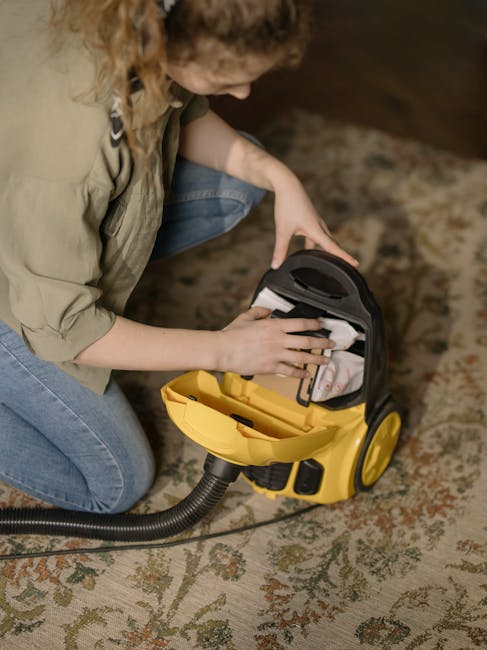
If you live in NW1 and you're staring at a tired carpet before a viewing, a move-out, or just a much-needed reset, you already know the feeling: the room looks clean until the light hits the pile and suddenly every mark seems to shout back. This NW1 flat carpet cleaning checklist near Kings Cross is built for exactly that moment. It gives you a clear, practical way to prepare carpets properly, avoid common mistakes, and decide when a simple refresh is enough and when a deeper professional clean makes more sense.
Near Kings Cross, flats tend to see a lot of foot traffic, delivery dust, winter wet, and the usual city-life mix of grit and spillages. Add shared hallways, tighter stair access, and rental turnaround pressure, and carpet care gets a little more complicated than "give it a quick hoover." The good news? With the right checklist, it becomes manageable. Let's walk through it properly.
Why NW1 flat carpet cleaning checklist near Kings Cross Matters
A carpet cleaning checklist is not just a tidy little admin exercise. In a flat, it helps you avoid the classic mistake of cleaning in the wrong order. That sounds minor, but it matters. If you vacuum after treating a stain, or move furniture before checking for damp, you can easily make the job harder. In a compact NW1 property, one small slip can spread dirt from the hallway into the living room, or leave a wet patch trapped under a sofa leg. Annoying, honestly.
Near Kings Cross, many flats are part of busy rental cycles. Tenants are often working to a deadline, landlords want consistent presentation, and homeowners just want the place to feel decent again. A checklist helps everyone because it sets expectations: what to inspect, what to pre-treat, what to leave for a specialist, and what can be handled safely at home. It also reduces the chance of leaving behind odours, residue, or visible marks that come back after drying.
There is another reason it matters: carpets in city flats pick up fine dust quickly. Even when they look acceptable from a distance, fibres may hold grit that causes dullness and premature wear. A methodical approach protects the carpet, not just the appearance. That is the bit people forget.
If you're comparing professional options, it can help to look at the broader service picture too. For deeper cleaning support, the main carpet cleaning service and steam carpet cleaning pages are useful references, especially if you want to understand what a thorough clean usually includes.
How NW1 flat carpet cleaning checklist near Kings Cross Works
The checklist works best as a sequence, not a random to-do list. First, you identify carpet type and problem areas. Then you remove loose dirt, spot-treat carefully, and decide whether a light refresh or a deeper clean is appropriate. In most flats, the job falls into four broad stages: inspect, prepare, clean, and dry.
That sequence sounds simple, but it keeps you from doing the wrong thing at the wrong time. For example, a fresh coffee stain on a wool carpet is handled differently from a flat synthetic loop pile with tracked-in mud. One may respond well to careful blotting and a mild solution; the other may need proper extraction. Mixing those up is where trouble starts.
In practice, the process usually includes:
- checking carpet fibre type and colourfastness;
- vacuuming thoroughly before any liquid treatment;
- testing cleaning products in a hidden area;
- pre-treating stains and high-traffic lanes;
- cleaning with the right moisture level for the carpet;
- supporting drying with ventilation and sensible room use.
For flats around Kings Cross, access and drying time matter as much as the cleaning itself. A damp carpet in a small room with closed windows can stay wet far longer than people expect. Sometimes that leads to a musty smell later, which is exactly the kind of headache nobody wants on a Friday evening.
Key Benefits and Practical Advantages
The obvious benefit is cleaner carpet. But there are a few more that matter in real life.
- Better presentation: Clean carpets lift the whole room. Even when the walls and furniture are unchanged, the flat feels brighter.
- Less wear over time: Removing grit and debris reduces fibre abrasion. That helps carpets last longer.
- Improved odour control: Spills, shoes, pets, and moisture can linger in pile and underlay if not dealt with properly.
- Stronger inspection results: Useful for end-of-tenancy handovers, new tenancies, or sale viewings.
- Fewer rushed decisions: A checklist means you can tell at a glance whether the carpet needs spot treatment, a full clean, or specialist stain removal.
There is also a subtle benefit: calm. When you know what to do first, you waste less energy second-guessing yourself. You stop hovering in the doorway with a sponge wondering if you've made things worse. Been there, seen it, absolutely.
If the carpet problem is part of a larger flat reset, it may be worth pairing the work with deep cleaning or, in moving situations, end of tenancy cleaning. That gives the whole space a more consistent finish.
Who This Is For and When It Makes Sense
This checklist is useful for more people than you might think. It is not just for tenants with a looming check-out date.
- Tenants who want the carpet to look presentable before inspection.
- Landlords and letting agents who need a repeatable process for flat turnover.
- Homeowners who want to freshen up an NW1 flat without overdoing it.
- Airbnb hosts who need a fast turnaround between guests and don't have time for guesswork.
- People with pets dealing with odour, repeated spots, or worn traffic paths.
- Anyone after building works where fine dust settles into the pile.
It makes sense whenever you need a result that is more reliable than a casual weekend clean. If the carpet is only lightly dusty, the checklist may lead you to a straightforward vacuum and spot clean. If you're dealing with spills, old traffic lines, or a stale smell, it quickly shows you where the limits are. That saves money and stress, which is never a bad thing.
For properties with mixed surfaces, you might also consider related services like hard floor cleaning for kitchens and halls, or communal area cleaning if your building shares entrances and stairwells.
Step-by-Step Guidance
Here is the practical version. Keep it simple and follow the sequence.
1. Inspect the carpet properly
Walk through each room in daylight if you can. Look for stains, flattened pile, edges that gather dust, and any signs of wear near doors or sofas. Check whether the carpet feels dry, slightly damp, or has a lingering smell. That tells you a lot before you start.
2. Identify the material
Wool, synthetic, and blended carpets behave differently. Wool can be more sensitive to heat and excessive moisture. Synthetic fibres are usually more forgiving, but they can still be damaged by harsh products. If you are unsure, treat the carpet as delicate until you know more. Safer that way.
3. Clear the room
Move smaller items, toys, baskets, and floor lamps. If you can safely lift light furniture, do so. If not, clean around it carefully and protect feet with foil or pads only if appropriate. Don't drag heavy items across the pile. That's how you get snags and unhappy-looking tracks.
4. Vacuum thoroughly
Use slow, overlapping passes. Focus on edges, under furniture, and walking routes between kitchen, hallway, and living room. In flats near Kings Cross, hall carpets often collect the worst of the grit because people come and go constantly. Vacuuming is the bit everyone wants to rush. Try not to.
5. Pre-treat marks and stains
Blot rather than scrub. A clean white cloth is useful because it shows whether the stain is transferring. Apply a suitable cleaner sparingly, and always test first. For greasy or stubborn marks, a dedicated stain product may help, but only if it suits the fibre. If the stain has been there for months, manage expectations. Some marks fade, some stay.
6. Clean from the edges inward
This helps avoid standing on wet areas and spreading dirt. On larger rooms, clean the furthest corner first and work backwards toward the exit. In small NW1 flats, this matters more than people think because you often have only one decent route out of the room.
7. Use the right level of moisture
Too much water can soak the underlay and prolong drying. Too little can leave residue behind. The aim is a controlled clean, not a soak-and-hope approach. A professional steam carpet cleaning method often uses extraction to limit moisture while lifting soil more effectively.
8. Ventilate and dry
Open windows where practical, use fans if available, and avoid heavy foot traffic until the carpet is properly dry. A carpet can feel "almost dry" and still hold moisture deeper in the pile. That is where issues start. Check corners and under furniture legs before putting the room back together.
9. Recheck after drying
Some stains reappear slightly once dry because residue moves back up the fibres. It's common enough. If that happens, don't panic and immediately drown the area again. Reassess, repeat spot treatment carefully, or call for help if the stain is stubborn.
Expert Tips for Better Results
These are the details that make the difference between "clean enough" and actually clean.
- Work on stains early. The longer a spill sits, the more it settles into the pile and backing.
- Use white cloths for blotting. Coloured cloths can bleed, and they hide whether the stain is lifting.
- Keep heat moderate. High heat can distort fibres or set certain stains. Not ideal.
- Check under radiators and furniture edges. That's where dust and hair love to hide.
- Don't over-wet stairs or threshold areas. Those spots dry slowly and get walked on more quickly.
- Smell the carpet after drying. Slightly odd advice, but useful. A clean carpet shouldn't smell damp or sour.
If the flat also has fabric furnishings, pairing carpet care with sofa cleaning or upholstery cleaning can prevent one cleaned item from making the rest of the room look tired by comparison. You notice that sort of thing in a small flat much more than in a house.
And yes, if you have pets, please tackle the source of the smell as well as the visible stain. Otherwise the carpet may look better while still telling on you every time the heating comes on.
Common Mistakes to Avoid
Most carpet cleaning mistakes are surprisingly ordinary. That's the awkward part.
- Scrubbing hard: This can spread the stain and damage the pile.
- Using too much product: Residue attracts dirt later, so the carpet gets grubby again faster.
- Skipping the vacuum: Wet cleaning over loose grit pushes dirt deeper.
- Not testing products first: A hidden patch test avoids discolouration and surprises.
- Cleaning in the wrong order: If you treat spills before removing dust, you can make mud.
- Ignoring drying time: A carpet that still feels cool or spongy needs more time.
- Forgetting the threshold and skirting edges: Those details show up first in natural light.
One more subtle mistake is assuming all "good enough" results are equal. In an NW1 flat near Kings Cross, what looks fine in the evening can look very different under morning daylight. The windows do not lie. Sadly.
Tools, Resources and Recommendations
You do not need a van full of gear to follow the checklist well, but a few sensible tools help.
| Tool or resource | Best use | Why it helps |
|---|---|---|
| Vacuum with a decent brush head | Routine dust and grit removal | Lifts dry soil before it turns into muddy residue |
| Clean white microfibre cloths | Blotting spills and applying small amounts of cleaner | Helps you see transfer and avoid colour bleed |
| Gentle carpet spot cleaner | Fresh stains and localised marks | Useful when used correctly and tested first |
| Soft brush | Loosening dirt without damaging fibres | Better than aggressive scrubbing |
| Fan or open-window drying | Post-clean ventilation | Reduces drying time and odour risk |
If you are unsure whether a stain needs specialist treatment, compare the issue with dedicated services such as stain removal or pet stain odour removal. Those pages are helpful reference points for deciding whether the problem is simple or stubborn.
For tenants preparing for the end of a lease, move out cleaning may be relevant too, especially if the flat needs a full refresh rather than a carpet-only fix.
Law, Compliance, Standards, or Best Practice
For most domestic carpet cleaning in a flat, there is no special legal hurdle just because the property is in NW1. The bigger issues are usually practical and contractual: tenancy agreements, inventory expectations, and safe product use. If you're renting, always check your agreement and the condition report. Those documents tend to matter more than people expect when it comes to handover disputes.
From a best-practice point of view, the sensible approach is to use products according to their instructions, keep the room ventilated, and avoid leaving surfaces wet where slip risk could affect occupants. In shared buildings, that matters even more around hallways and communal access routes.
If you hire a cleaner, it is reasonable to ask about insurance, safety processes, and how they handle different carpet fibres. That is not being difficult. It is just good housekeeping. You can also check pages like insurance and safety and the company's health and safety policy to understand their standards before booking.
Where a property has building-wide shared areas, a responsible approach also includes respecting neighbours, drying access paths properly, and not leaving equipment in common corridors longer than necessary. Basic, really, but easy to overlook in a rush.
Options, Methods, or Comparison Table
Different flats need different approaches. Here's a practical comparison that helps with decision-making.
| Method | Best for | Pros | Watch-outs |
|---|---|---|---|
| Routine vacuuming and spot cleaning | Light dust, small spills, regular upkeep | Quick, low-cost, easy to maintain | Won't solve deep dirt or odour |
| Bonnet or surface clean | Cosmetic refresh in low-risk areas | Fast drying, decent for presentation | Not ideal for embedded soil |
| Hot water extraction / steam cleaning | Heavier soil, traffic lanes, odours | Deeper clean, better soil removal | Needs careful drying and fibre awareness |
| Specialist stain treatment | Targeted marks like wine, coffee, pet issues | Focused and efficient | Depends on stain age and fibre type |
Truth be told, most flats near Kings Cross benefit from a mix rather than one single method. A normal room might only need vacuuming and spot care, while the hallway or living room gets a deeper pass because that's where the wear is obvious. That kind of judgement matters more than a one-size-fits-all promise.
Case Study or Real-World Example
Here's a realistic example from a typical NW1 flat. A two-bed rental near Kings Cross had a hallway runner, a living room carpet, and a bedroom carpet that looked acceptable at first glance. The tenant was preparing for a move and wanted to avoid losing time on the final week. The hallway had tracked-in grime by the front door, the living room had a small coffee mark near the sofa, and the bedroom carpet had flattened areas where the bed and chair had sat for months.
Using the checklist, the process started with inspection in daylight. The coffee mark was identified as fresh enough for careful pre-treatment. The hallway got the heaviest vacuuming because grit was visible at the threshold. The living room was cleaned from the far corner outward, with attention paid to the traffic line between the sofa and the window. The bedroom needed less moisture and more fibre lifting than heavy washing.
The useful bit was not just the cleaning itself. It was the order. Because the room was checked first, the cleaner didn't over-wet the stain, and because the drying plan was set in advance, the carpet had enough time to dry before the furniture went back. Simple, but effective. That's usually how the best results happen.
For flats with additional fabric care needs, pairing the carpet work with curtain cleaning or mattress cleaning can make the whole property feel more finished, especially in smaller rooms where every surface affects the overall impression.
Practical Checklist
Use this as your quick working checklist before, during, and after cleaning.
- Inspect the carpet in good light.
- Identify the fibre type if possible.
- Remove loose items and light furniture.
- Vacuum slowly and thoroughly.
- Test any cleaner in a hidden area.
- Blot spills instead of scrubbing.
- Pre-treat stains with the right product.
- Work from the far end of the room back toward the exit.
- Avoid overwetting the pile or underlay.
- Ventilate the room and keep foot traffic low.
- Check drying progress, including edges and corners.
- Reassess any stains that reappear after drying.
- Return furniture only when the carpet is properly dry.
- Book specialist help if odour, staining, or wear is beyond DIY.
Quick expert summary: In an NW1 flat near Kings Cross, the best carpet cleaning results usually come from good preparation, controlled moisture, and enough drying time. Not fancy, just disciplined. And that's what makes the difference.
Get a free quote today and see how much you can save.
Conclusion
A good carpet cleaning checklist is a small thing that prevents a lot of bigger problems. It keeps you organised, protects the carpet, and helps you judge when a light refresh is enough and when a deeper clean is worth it. In a busy NW1 flat near Kings Cross, that clarity is worth having.
If you remember only three things, make them these: inspect before you clean, use as little moisture as you can get away with, and let the carpet dry properly before putting the room back together. Do that, and you'll avoid most of the headaches people run into. The room feels better, smells better, and honestly just behaves better.
When you're ready for a more thorough finish, it also helps to explore the company's wider service information, including about us, pricing and quotes, and contact us if you want to ask about your flat specifically.
Clean carpets can change the whole mood of a flat. Quietly, but properly.
Frequently Asked Questions
What should be on an NW1 flat carpet cleaning checklist near Kings Cross?
At minimum, it should include inspection, vacuuming, stain testing, spot treatment, controlled cleaning, and drying checks. If the carpet is old or delicate, fibre type should also be part of the checklist.
How often should carpets in a Kings Cross flat be cleaned?
It depends on traffic, pets, and whether the flat is rented or owner-occupied. Busy hallways and living rooms usually need attention more often than bedrooms. A regular vacuum schedule helps a lot.
Can I clean the carpet myself or should I hire a professional?
You can handle light dust and small stains yourself if the carpet is in decent condition. If the carpet has odour, old staining, or heavy wear, professional help is usually the safer option.
How long does carpet cleaning usually take in a flat?
That depends on the room size, access, and how dirty the carpet is. The cleaning itself may be fairly quick, but drying time is the part people underestimate. In a small flat, airflow matters a lot.
Is steam cleaning suitable for all carpets?
No. While steam-style hot water extraction is useful for many carpets, not every fibre or condition is ideal for it. Wool, delicate blends, and damaged carpets need a more cautious approach.
What is the biggest mistake people make when cleaning flat carpets?
Scrubbing too hard and using too much liquid are the two big ones. Both can make the stain worse and leave the carpet damp for too long.
Will carpet cleaning remove pet odours completely?
Sometimes yes, sometimes not fully. It depends on how deep the odour has gone and whether the underlay has been affected. Surface cleaning may help, but deeper odours often need specialist treatment.
Do I need to move furniture before carpet cleaning?
Small items should definitely be moved. Light furniture can often be shifted safely if it won't damage the carpet. Heavy furniture is best handled carefully, or cleaned around if moving it would cause more harm than good.
How can I tell if a stain is too old for DIY cleaning?
If it has set for weeks or months, has changed colour, or keeps reappearing after blotting, it may need a specialist approach. Older stains are often harder to lift without the right products and method.
What should tenants in NW1 check before the final inspection?
Check the hallway, living room, and any room with visible traffic lanes or spill marks. Pay attention to edges, corners, and under furniture. Those are the spots that often get noticed first.
Are there any safety concerns with carpet cleaning in flats?
Yes. Wet carpet can be slippery, and over-wetting can affect underlay or nearby flooring. Use products carefully, ventilate the room, and avoid blocking shared routes in the building.
Where can I find more information about related cleaning services?
You can look at service pages such as one off cleaning, domestic cleaning, and regular cleaning if you're deciding how carpet care fits into a wider flat-cleaning plan.