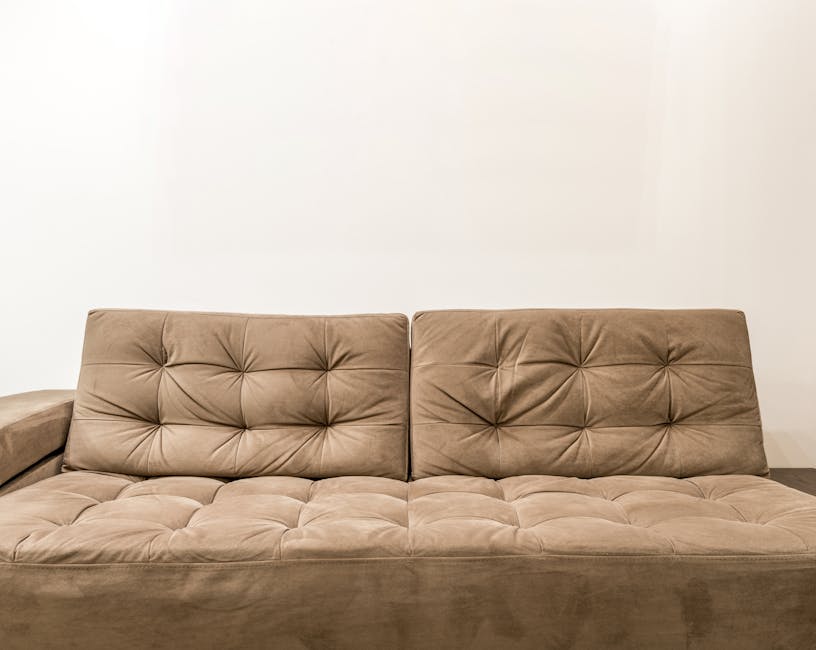
Chalk Farm Upholstery Cleaning After Gig Nights: A Practical Guide for Sofas, Chairs and Soft Furnishings
If you live near Chalk Farm, you already know what a gig night can do to a home. One minute everything feels fine; the next, there are muddy marks by the door, a faint smell of drinks in the air, and a sofa that somehow looks like it hosted the afterparty. Chalk Farm upholstery cleaning after gig nights is not just about making fabric look nicer. It is about removing grime before it settles, protecting delicate materials, and getting your living room back to a place you actually want to sit in.
In this guide, we will walk through why post-gig upholstery cleaning matters, how it works, what methods make sense for different fabrics, and what mistakes to avoid when time is tight. We will also look at a realistic step-by-step approach, a simple checklist, and a few honest comparisons so you can decide whether to handle light marks yourself or book a professional clean.
Quick takeaway: the sooner you deal with drink splashes, body oils, dust, and outdoor dirt after a busy night, the better your chances of avoiding permanent staining, lingering odours, and that tired, greyed-out look soft furnishings pick up over time.
Why Chalk Farm Upholstery Cleaning After Gig Nights Matters
Gig nights bring a very specific kind of mess. It is not the same as a normal day's wear and tear. You tend to get a mix of outside dirt, spilled drinks, food crumbs, sweat, perfume, smoke residue, and a surprising amount of fine dust that seems to appear from nowhere. If you have had friends piling in and out, soft furnishings can take the brunt of it before you even notice.
Upholstery is more sensitive than many people think. Fabric fibres trap particles, and once moisture or oily residue gets into the weave, the mark can spread or darken. A quick blot is often enough for surface spillages, but if you leave things until the next morning, they can set. And to be fair, the next morning after a gig is usually not the sharpest time for cleaning decisions.
In Chalk Farm, where homes may see frequent visitors, shared living spaces, or a steady flow of weekend socialising, upholstery can age faster than expected. Sofas, armchairs, banquettes, and dining chairs all show the signs. That makes regular after-event care useful, not fussy. It keeps your home presentable, helps preserve fabric condition, and can reduce the need for more intensive restoration later.
There is also the hygiene angle. Upholstery that absorbs food residue, body oils, and damp from coats or bags can start to smell stale. You may not notice it straight away, especially if you have been at the venue yourself and come back late, but the room can lose its fresh feel quickly. If the evening involved heavy footfall or guests leaving coats and bags on the sofa, the fabric can hold on to that lived-in smell.
For local households and landlords alike, it makes sense to treat post-gig cleaning as preventative care. It protects the item, but also the room around it. A well-kept sofa can make the whole flat look cleaner, even if the rest of the night was a bit chaotic.
For more general fabric care, you may also find upholstery cleaning helpful, especially if the issue is not tied to one event but to repeated use over time.
How Chalk Farm Upholstery Cleaning After Gig Nights Works
Good upholstery cleaning is part assessment, part technique, and part patience. You do not just spray and scrub. You identify the fabric, check the type of mark, and choose the least aggressive method that will actually solve the problem.
1. Fabric identification and testing
The first step is understanding what you are dealing with. Cotton, polyester blends, wool mixes, velvet, and leather all behave differently. Even within fabric sofas, one section may hold moisture differently from another. A careful cleaner will usually test a small hidden area before applying any solution more widely. That is basic sense, really, but it gets skipped more often than it should.
2. Dry soil removal
Before any wet cleaning begins, loose debris should be removed. Think crumbs, ash-like dust, bits of paper, dried mud, and tiny glass-scented grime from shoes near the entrance. Vacuuming with the right attachment helps stop particles from being rubbed deeper into the fabric. A gentle brush can also lift fibres and make later stain treatment more effective.
3. Spot treatment for fresh marks
Fresh drink spills, food marks, and transfer stains from denim or dark clothing usually need local treatment. The aim is to lift the contaminant without pushing it outward. Blotting is better than rubbing. Rubbing can roughen the fabric and spread the mark, which is one of those annoying truths nobody wants to hear at 1 a.m.
4. Deep cleaning method selection
Depending on fabric type and soil level, a professional may use hot water extraction, low-moisture cleaning, or specialised stain removal techniques. Hot water extraction can be very effective on many fabrics, but it is not suitable for every material. Low-moisture methods are useful when quicker drying matters, particularly after a weekend night when the room needs to be back in use soon.
If the upholstery is badly affected by odour or repeated spillages, deep cleaning may be a better fit than a light surface refresh. In some homes, it is the difference between simply "looking better" and actually feeling clean again.
5. Controlled drying and finishing
Drying matters more than people think. Upholstery that stays damp can hold an odour or develop water marks. Good airflow, suitable extraction, and careful finishing all help the fabric dry evenly. A final groom can restore the nap on textured fabrics and reduce the flattened look that sometimes appears after cleaning.
Key Benefits and Practical Advantages
There is a clear practical reason people look for upholstery cleaning after busy nights around Chalk Farm: the result is visible, immediate, and often a relief. But the benefits go beyond appearance.
- Better appearance: fresh cleaning lifts dullness, drink rings, and the general "used hard over the weekend" look.
- Odour reduction: stale scents from alcohol, smoke, food, and damp outerwear can linger in fabric.
- Longer fabric life: removing grit and grime early reduces fibre wear.
- Improved hygiene: upholstery can trap body oils, crumbs, and allergens, so cleaning helps reset the room.
- Guest-ready spaces: if you host often, a fresh sofa or armchair makes the flat feel more welcoming.
- Reduced risk of permanent stains: fast treatment often means better outcomes.
There is another benefit people do not talk about much: peace of mind. After a full house and a late night, it is nice to know the sofa is not quietly becoming a problem in the corner. You can sit down the next day without that little internal wince.
For homes where the sofa doubles as the main social hub, pairing upholstery care with sofa cleaning is often the smartest route, especially if cushions, arms and seat fronts all need attention.
Who This Is For and When It Makes Sense
This type of cleaning is useful for more people than you might expect. It is not just for party hosts or people with obvious spills. The clues are often small.
- Flat sharers: busy weekends mean more guests, more coats, more drinks, and more accidental marks.
- Homeowners near nightlife routes: if your front room gets a lot of use after shows, grime builds up quietly.
- Landlords and letting agents: upholstery that looks cared for can improve overall presentation between occupancies.
- Short-term rental hosts: guest turnover can leave fabrics looking tired faster than in a standard home.
- Anyone with light-coloured furniture: pale fabric shows everything, even if it is just a small patch of transferred dirt.
- Pet owners: if pets and gig nights both happen, the fabric may need more regular refreshing.
It also makes sense when the problem is not a single stain, but a pattern. Maybe every Friday brings guests, muddy footwear, and a bit of spilled lager on the armrest. In that case, the real issue is not one event, but cumulative wear. That is where scheduled maintenance, not one-off panic cleaning, earns its keep.
If your evening involves more of a rental turnover than a private gathering, airbnb cleaning can be relevant too, because upholstery often forms part of the first impression guests notice.
Step-by-Step Guidance
Here is a practical approach you can follow after a gig night, whether the mess is minor or a little more dramatic.
- Clear the area first. Remove bottles, food, bags, and anything damp or sticky from the upholstery.
- Blot fresh spills immediately. Use a clean, dry cloth or paper towel. Press gently. Do not scrub like you are sanding a wall.
- Vacuum the surface. Focus on seams, corners, under cushions, and around armrests where crumbs collect.
- Check the fabric type. If you have a care label, read it before using water or solution. If not, err on the cautious side.
- Test any cleaning product in a hidden spot. Wait for the area to dry before moving on.
- Treat stains from the outside in. This helps prevent spreading and ring marks.
- Use only the amount of moisture needed. Too much liquid can sink deeper into the padding.
- Rinse or remove residue if required. Leftover detergent can attract dirt later.
- Dry the area properly. Open windows if possible, use airflow, and avoid sitting on the fabric too soon.
- Assess what remains. If the mark or smell persists, book a professional clean before it becomes a longer-term issue.
A small but important note: if the spill is alcoholic, sugary, or milky, time matters even more. Those residues can cling to fibres and cause stickiness or odour. Sometimes people think they have removed the stain because the colour is gone, only to find a faint smell the next day. Bit sneaky, that.
Expert Tips for Better Results
Professionals often get better results not because they use magic products, but because they avoid common shortcuts and understand fabric behaviour. A few habits make a big difference.
- Act early, not aggressively. Fresh stain, gentle response. Old stain, careful judgment.
- Use white cloths for blotting. Coloured cloths can transfer dye, especially on damp fabric.
- Work slowly on armrests and head-rest areas. These spots collect body oils and hand contact more than people realise.
- Do not overload the fabric with fragrance sprays. They can mask odours briefly, then leave the room smelling mixed and oddly flat.
- Think about the room as a whole. If the sofa is dusty but the curtains and carpet are also holding smell, the result will be partial at best.
- Schedule cleaning before problems stack up. A light refresh every so often is easier than chasing multiple stains later.
For stubborn marks, a dedicated stain removal approach is usually more effective than broad cleaning alone. You want the right fix for the right mark, not a one-size-fits-all spray and hope strategy.
And yes, sometimes the smartest expert tip is simple restraint. If you are tired, rushed, or annoyed that someone balanced red wine on the cushion, leave the deep work for the morning or call in help. A bad DIY attempt can turn a small issue into a bigger one very quickly.
Common Mistakes to Avoid
Most upholstery damage after gig nights comes from well-meant mistakes rather than bad luck. Here are the big ones.
- Rubbing instead of blotting: this pushes the stain deeper and roughs up fibres.
- Using too much water: oversaturation can cause browning, odour, or padding damage.
- Cleaning without testing: even gentle products can affect colour or texture.
- Ignoring the under-cushion area: crumbs and moisture often hide there, which means smells linger.
- Using random household products: bleach, heavy degreasers, and fragranced cleaners can do more harm than good.
- Sitting on damp upholstery: it compresses the pile and may trap residual moisture.
- Waiting too long: the stain sets, the smell settles, and the job becomes harder.
Another common one? People assume one pass is enough. Sometimes it is. Often it is not. Upholstery may need a second careful treatment, especially after a packed evening with drink spillages and constant use. Better to accept that than force the issue on the first attempt.
Tools, Resources and Recommendations
You do not need a warehouse of kit to handle light post-gig upholstery maintenance. A few sensible basics go a long way.
- Microfibre cloths: absorbent, gentle, and better than scratchy old towels.
- Vacuum with upholstery attachment: ideal for crumbs, dust, and surface grit.
- Soft brush: useful for lifting fibres and loosening dry debris.
- Clean spray bottle: helps apply a controlled amount of solution.
- White paper towels: handy for blotting fresh spills.
- Fans or open windows: improves drying and reduces stale smells.
If you are thinking about a more complete reset after a very busy weekend, it can help to combine upholstery care with one-off cleaning. That way, the surrounding room, not just the sofa, gets brought back to a decent baseline.
For fabrics that are heavily used or part of a wider home refresh, steam carpet cleaning may also be worth considering for nearby flooring, since the same post-gig dirt often lands there as well. Soft furnishings and carpets usually age together, unfortunately.
When choosing a service, ask practical questions: what fabrics they work on, whether they test first, how drying is managed, and what they do about odour. Clear answers usually tell you more than a polished sales line.
Law, Compliance, Standards, or Best Practice
For most households, upholstery cleaning is a practical maintenance task rather than a regulated activity in itself. Even so, there are sensible UK best practices worth keeping in mind, especially if a property is rented, used commercially, or cleaned by a contractor.
From a safety point of view, cleaning chemicals should be handled carefully, with proper dilution and ventilation. That is simply good practice. If a professional cleaner is working in your home, you should reasonably expect attention to fabric suitability, safe equipment use, and care around electrical items, sockets, and damp surfaces. For more on how a provider may approach this, it is worth reviewing their health and safety policy and insurance and safety information.
If you are booking a cleaning company, transparent service terms matter too. You should understand what is included, what happens if a stain does not fully lift, and how cancellations or issues are handled. A clear terms and conditions page is a useful sign that expectations are being set properly.
Environmental care is also part of modern best practice. It is sensible to ask about water use, product choice, and waste handling, particularly if you prefer a lower-impact approach. If that matters to you, have a look at the company's recycling and sustainability information.
Truth be told, a good cleaner should not mind these questions. If anything, it shows you are thinking carefully, which is exactly what you want after someone has tracked in half of Chalk Farm on their shoes.
Options, Methods, or Comparison Table
Different upholstery problems call for different methods. Here is a simple comparison to help you choose the right route.
| Method | Best for | Advantages | Limitations |
|---|---|---|---|
| Spot blotting | Fresh spills and light marks | Fast, cheap, low risk | Not enough for deeper contamination |
| Home cleaning solution | Small surface stains on suitable fabrics | Convenient and immediate | Risk of over-wetting or residue |
| Low-moisture upholstery cleaning | Routine refresh and quicker drying | Good for busy homes, less downtime | May be less effective on heavy soil |
| Hot water extraction | Embedded dirt and stubborn marks | Deep clean effect, strong soil removal | Requires proper drying and fabric suitability |
| Professional stain treatment | Red wine, grease, drink rings, odours | Targeted, safer for problem areas | May still need follow-up on aged stains |
For many homes, the best answer is a blend: quick home care for fresh marks, then professional treatment if the fabric still looks dull or smells off. If the upholstery is part of a larger furniture set, you may also want to consider rug cleaning or curtain cleaning so the whole room feels consistent rather than half refreshed.
Case Study or Real-World Example
Picture a small Chalk Farm flat on a Saturday night. A few friends have come back after a gig, shoes are left by the door, somebody has balanced a drink on the sofa arm, and by midnight there is a dark patch where the glass was knocked sideways. Nothing dramatic, just the kind of thing that happens when a room gets properly used.
By morning, the spill is no longer wet, but the fabric has a faint ring, the armrest feels slightly sticky, and the room has that stale "spent evening" smell. A careful clean starts with vacuuming, then a small test on the fabric edge, then a gentle stain treatment with minimal moisture. The mark fades, but the odour still lingers a little, so the cleaner follows with controlled extraction and better drying. Curtains are opened, cushions are stood up, and the room gets air moving.
The result is not magical. It is practical. The sofa looks presentable again, the smell drops, and the owner avoids the bigger mistake of waiting another week. That is usually how these jobs go. Not flashy. Just effective. And honestly, that is enough.
Practical Checklist
Use this checklist after a gig night or the morning after, before a stain settles in.
- Remove bottles, food, and loose items from the upholstery.
- Blot any fresh spill with a clean white cloth.
- Vacuum crumbs, dust, and debris from seams and cushions.
- Check fabric care guidance if available.
- Test any cleaning product in a hidden area first.
- Apply the smallest effective amount of moisture.
- Work from the outside of the stain inward.
- Dry the area with airflow, not heat blasting.
- Smell the fabric again once dry to check for trapped odour.
- Book a professional clean if marks remain or the smell does not shift.
If you want a broader reset of the whole property after a busy event, domestic cleaning can complement upholstery care nicely, especially in homes where the living room, hallway, and kitchen all picked up a bit of weekend wear.
Get a free quote today and see how much you can save.
Conclusion
Chalk Farm upholstery cleaning after gig nights is really about keeping pace with real life. Social evenings are fun, but fabrics pay the price. The good news is that most damage can be managed if you act early, choose the right method, and avoid the usual rush-job mistakes.
Whether you are dealing with a single drink spill, a build-up of weekend dirt, or a sofa that needs a proper reset, the key is simple: do not let small marks turn into long-term wear. With the right approach, your upholstery can look and smell fresh again without turning the whole thing into a drama. And that, let's face it, is what most of us want after a gig night.
For more about the people behind the service, you can also read about us. If you are ready to talk through your cleaning needs, the next sensible step is to make an enquiry and get the job moving. A clean sofa on a quiet weekday morning feels oddly satisfying. Sometimes the small wins are the best ones.
Frequently Asked Questions
How soon should I clean upholstery after a gig night?
As soon as you reasonably can. Fresh spills are much easier to remove than marks that have dried or soaked into the padding. If you cannot clean it straight away, blot the area and keep it dry until you can.
Can I use regular household cleaner on my sofa?
Sometimes, but not always. Upholstery fabrics vary a lot, and some cleaners leave residue or affect colour. Always test first in a hidden spot, and avoid anything harsh unless you are certain it is suitable.
What smells usually linger after a night of guests?
Common culprits are drink residue, sweat, smoke, perfume, and damp from coats or shoes. Those odours can sit in fabric fibres even when the stain itself looks minor.
Is steam cleaning safe for all upholstery?
No, not for all fabrics. Steam or hot water extraction can be excellent on suitable materials, but delicate fabrics may require a lower-moisture approach. Fabric type should guide the method.
How do I remove a red wine stain from upholstery?
Blot gently first, then use the least aggressive stain treatment possible for the fabric. Do not scrub. If the stain has set or the fabric is delicate, professional treatment is usually the safer choice.
Why does my sofa still smell after cleaning?
Odour can remain if moisture is trapped, if residue was left behind, or if the spill reached deeper layers. Proper drying and targeted odour removal are often needed, not just surface wiping.
How often should upholstery be professionally cleaned?
That depends on use. Homes with frequent visitors, children, pets, or lots of socialising may need more regular attention than quieter properties. A once-a-year clean is common for many households, but heavy-use sofas may need more.
Can upholstery cleaning help before guests arrive again?
Yes, definitely. If you host regularly, a fresh sofa and chairs make the space feel more welcoming. It is one of those quiet details people notice, even if they never mention it out loud.
What is the difference between sofa cleaning and upholstery cleaning?
Sofa cleaning focuses on sofas specifically, while upholstery cleaning covers a wider range of fabric-covered furniture, including chairs, stools, banquettes, and other soft furnishings.
Will cleaning remove every stain?
Not always. Some marks, especially old ones or those caused by dye transfer, may not disappear completely. A good clean should still improve appearance, reduce odour, and stop the problem from getting worse.
Is it worth cleaning upholstery if only one area looks dirty?
Usually yes. A single visible patch can be part of a broader buildup of dirt and oils. Spot cleaning the mark is useful, but the rest of the item may still benefit from a full refresh.
What should I ask before booking a cleaner in Chalk Farm?
Ask about fabric testing, drying time, stain treatment, insurance, and what is included in the service. Clear answers are a good sign. You want someone who treats the furniture carefully, not someone who talks fast and hopes for the best.